Narrative
AI presentations, 2025
- What we did
- The product, end to endStrategy, brand, design, full-stack and AI engineering
- When
- Spring 2025, eight weeksLaunched on 6 June 2025
- Built with
- Next.js and ReactStructured model output, MCP connectors, a slide system in Storybook
- The launch
- A film and a waitlistThe film made with video models and a generated voice
Deck makers lost hours to mechanics and wanted decks drafted in their company’s brand.
Narrative was for the people who carry an argument into a room: the strategist, the analyst, the product lead. It reads the company’s brand from its website, agrees the outline with them in a chat beside their files and tickets, and only then lays every block on a slide from a design system built in code. It was our own product: we designed and built the MVP in eight weeks in the spring of 2025 and launched it on 6 June with a film and a waitlist.
Read the full case
- The task
- Prove that an AI presentation tool can start from the outline and end in the company’s own brand, and ship it as an MVP in eight weeks.
- The scope
- The product and its strategy, the brand and the launch landing, the outline editor and its chat with connectors, the brand read, the slide system, and the launch film.
- On screen
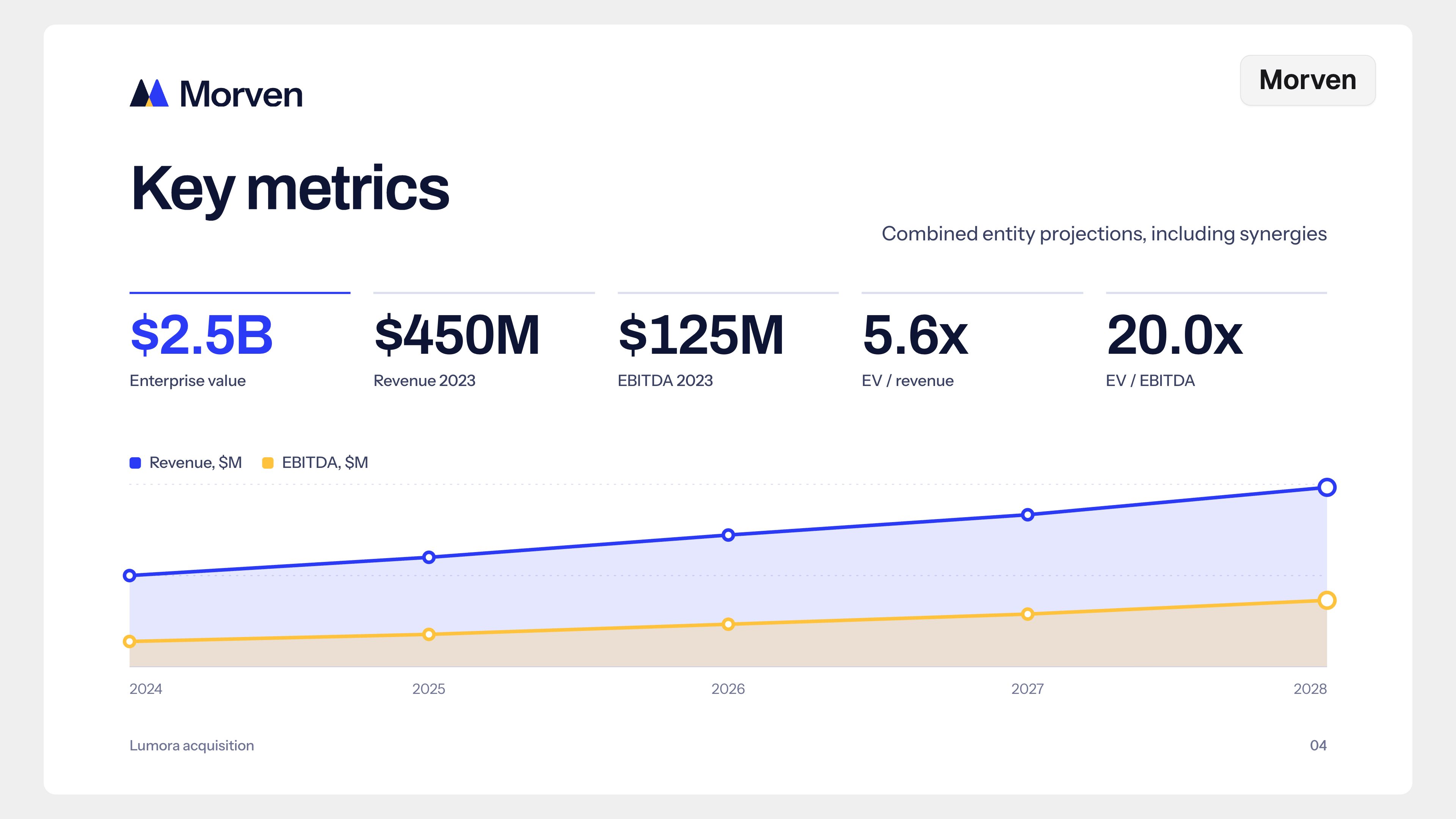
- Narrative’s own screens, run from its code on invented data. Morven, its Lumora deck and its slides are fictional, drawn for this case; the film is shown as it launched.
From the first build to the launch, and after
2025
Spring to winter 2025
- 13 March 2025The first buildThe theme configuration and Google fonts went in first: the brand came before anything else.
- 18 April 2025All inWe decided to build Narrative as our own venture, starting with the outline and its chat.
- 30 May 2025The slide libraryA library of layouts on the slide system, so a deck could be generated from its outline.
- 6 June 2025The launchThe film went out with the post, and the landing opened its waitlist.
- 1 August 2025PausedWe paused Narrative for a problem with clearer value.
- 29 November 2025Into EtherThe slide system and the brand profile moved into Ether, Turbo’s own platform.
The problem
AI slide tools jumped from prompt to slides, skipping the outline and the brand.
The people who make decks are hired to think, but most of a deck’s hours went on its mechanics: finding the company’s logo, colours and fonts, copying figures out of Jira, Drive and spreadsheets, laying out every slide, and starting over when the story changed. The AI tools of the day went from a prompt to finished slides, so the outline was never agreed and the slides came out in a template theme.
One deck, the old way
Before anyone reads a word of the argument.
The hours go on mechanics, not on the argument.
A prompt, then slides
The AI slide tools of 2025 went from a prompt straight to finished slides, so nobody agreed the story before it was designed.
A theme, not the brand
They dressed every deck in a template theme. Making it look like the company was still done by hand.
Models need parts
A model cannot make slides look good again and again unless it builds from a library of components.
The approach
Brand and outline come first, then every slide is drawn from one system.
Narrative splits a deck into what can be agreed and what can be drawn. The brand is read once from the website into a profile. The outline is agreed in a chat, from the files and tickets the user attaches. Only then does generation lay each block of the outline on a layout from Butter, a slide system built in code, in the brand’s colours and type.
From a website and an outline to a deck
What it reads
The website, the request, the attachments
The company’s website
Pages, navigation, calls to action
The request in the chat
Files and tickets3 connectors
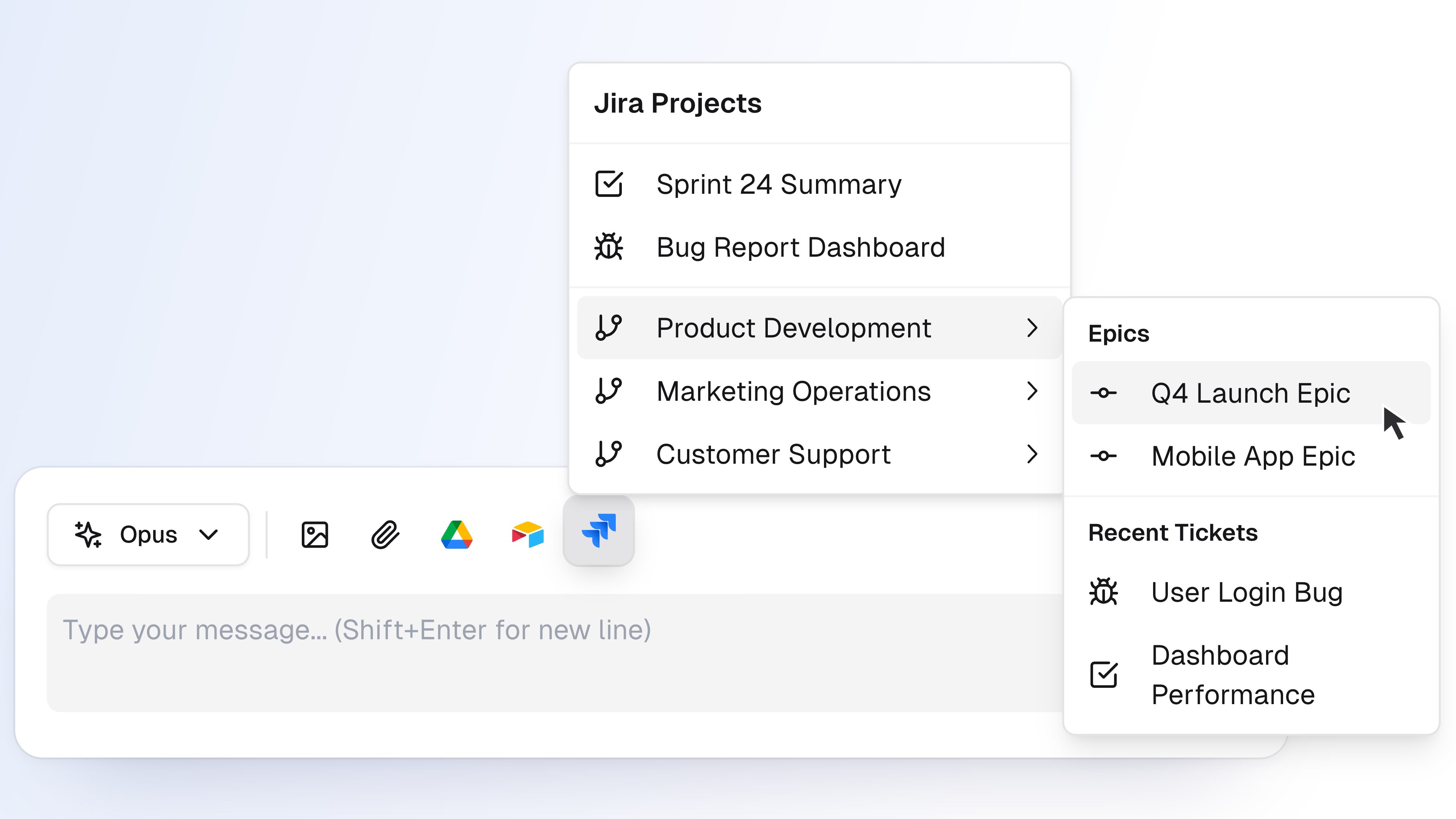
Google Drive, Airtable and Jira over MCP
What is agreed first
Before any slide is drawn
The brand profile6 steps
- Logo
- Palette
- Type
The outline
- Sections
- Slides
- Blocks6 kinds
What it draws
Every slide from one system
Butter, the slide system
1920 by 1080 frames on twelve columns
The theme library19
The deck, in the brand
- The company’s website to The brand profile: read
- The request in the chat to The outline: built in the chat
- Files and tickets to The outline: attached
- The brand profile to The deck, in the brand
- The outline to The deck, in the brand: Generate
- Butter, the slide system to The deck, in the brand
- The theme library to The deck, in the brand: re-skin
Your brand
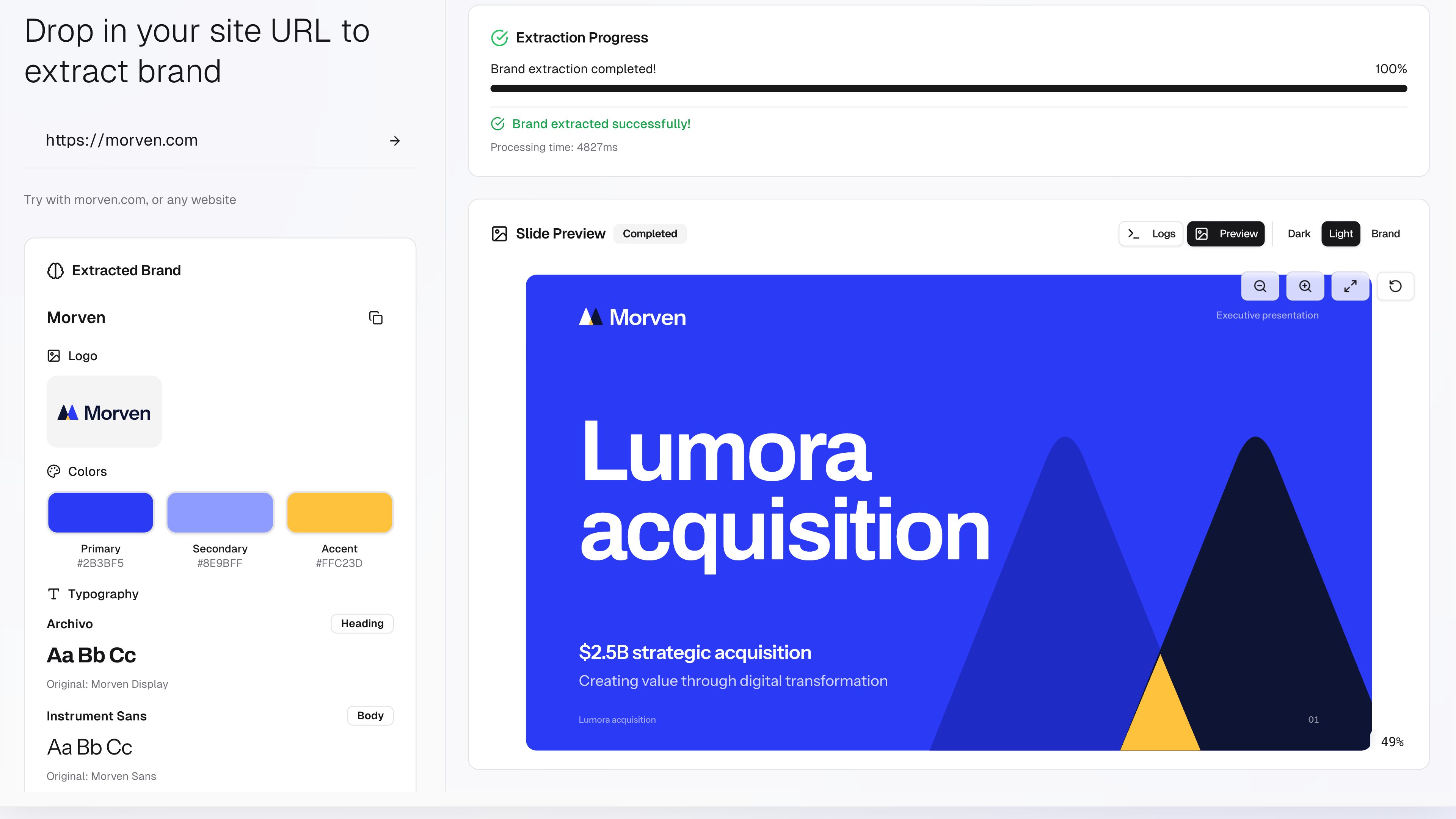
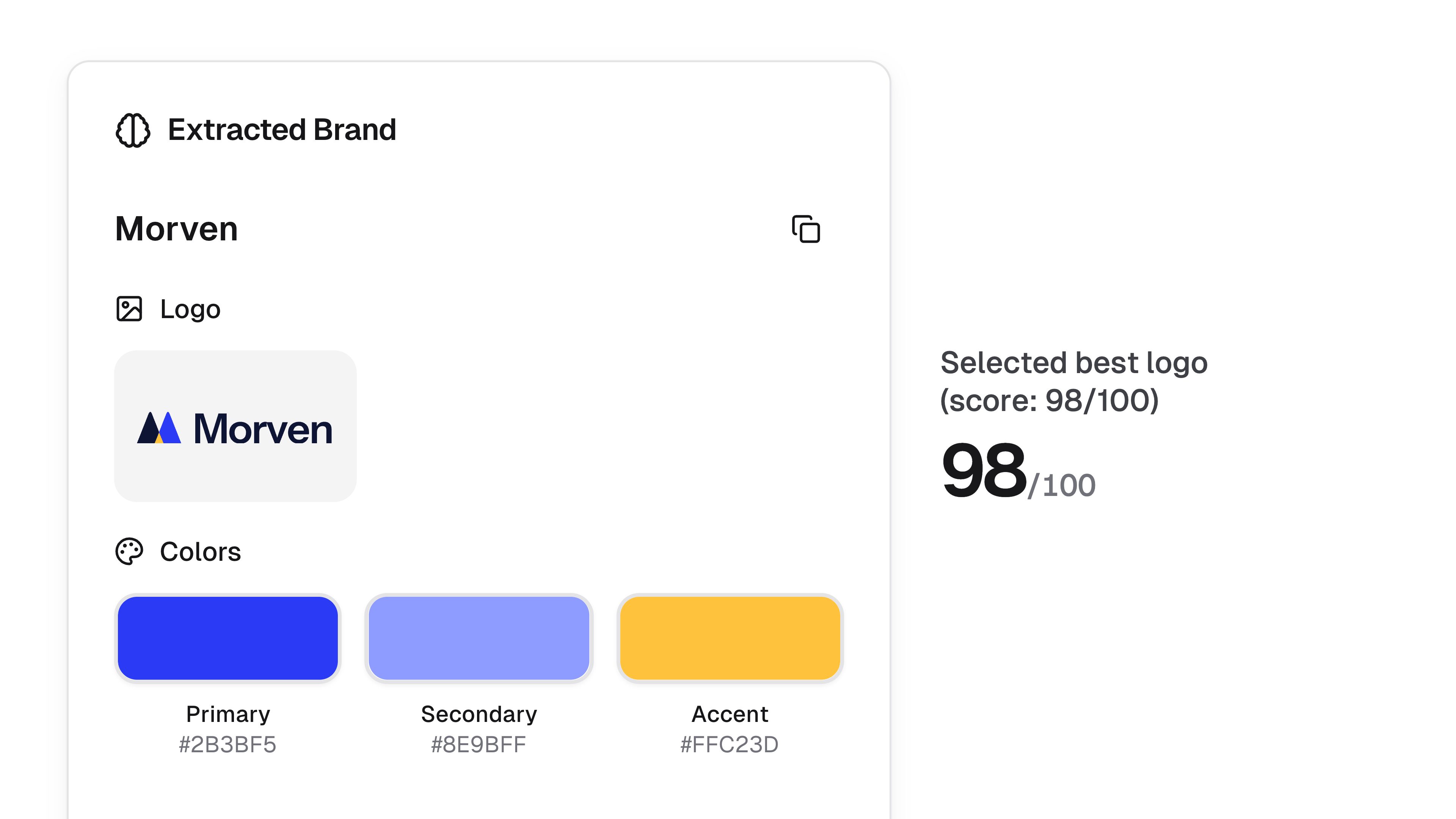
Paste a company’s website and Narrative reads its logo, colours and type.
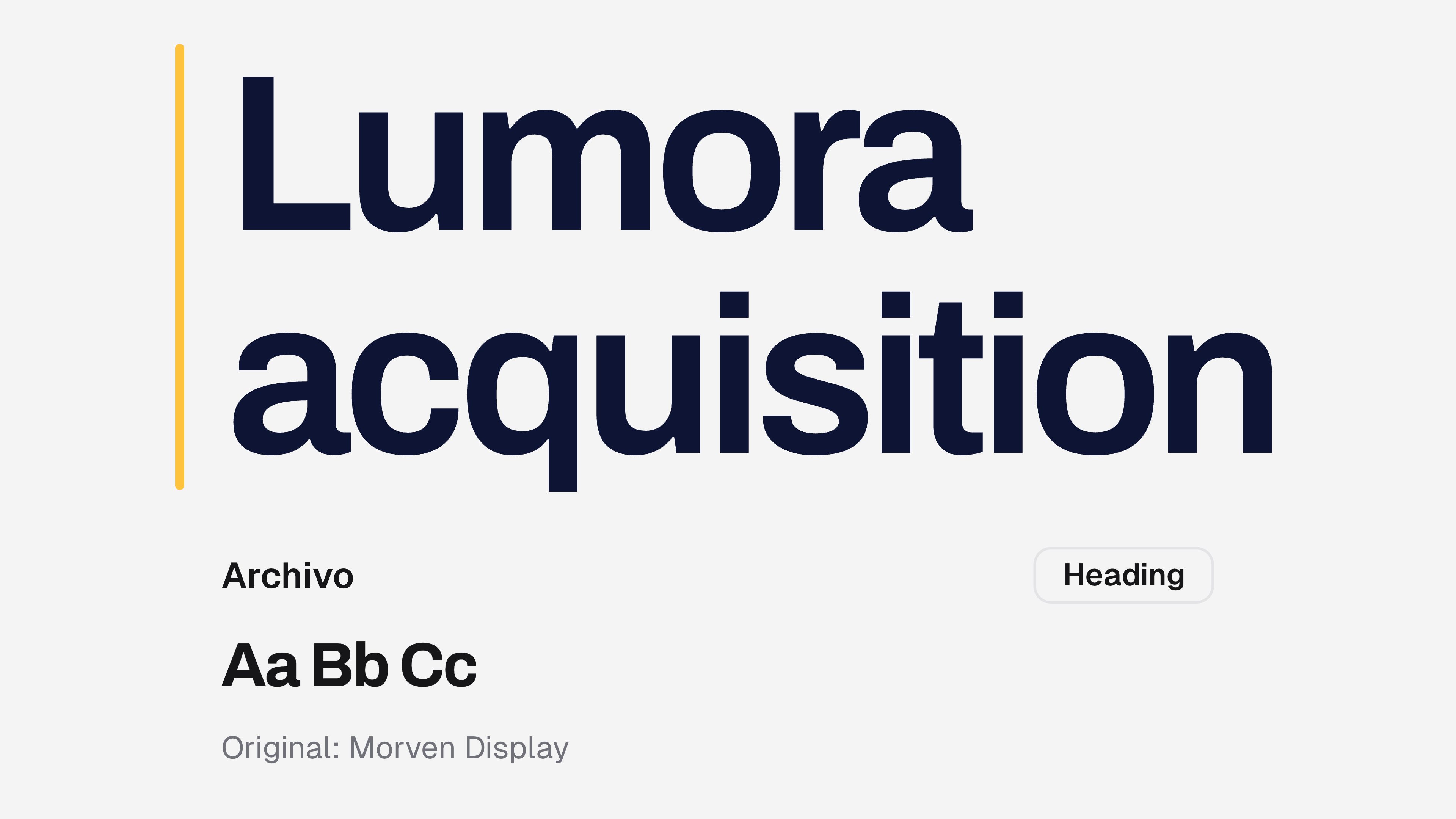
The read runs in view: it walks the site’s pages, finds the palette in its navigation and calls to action, scores the logo candidates, matches the brand’s own fonts to the nearest Google fonts and compiles a profile, ending on a slide in that brand. Every slide after it draws from the profile, and a theme from the product’s library re-skins a deck without touching its content.
The outline
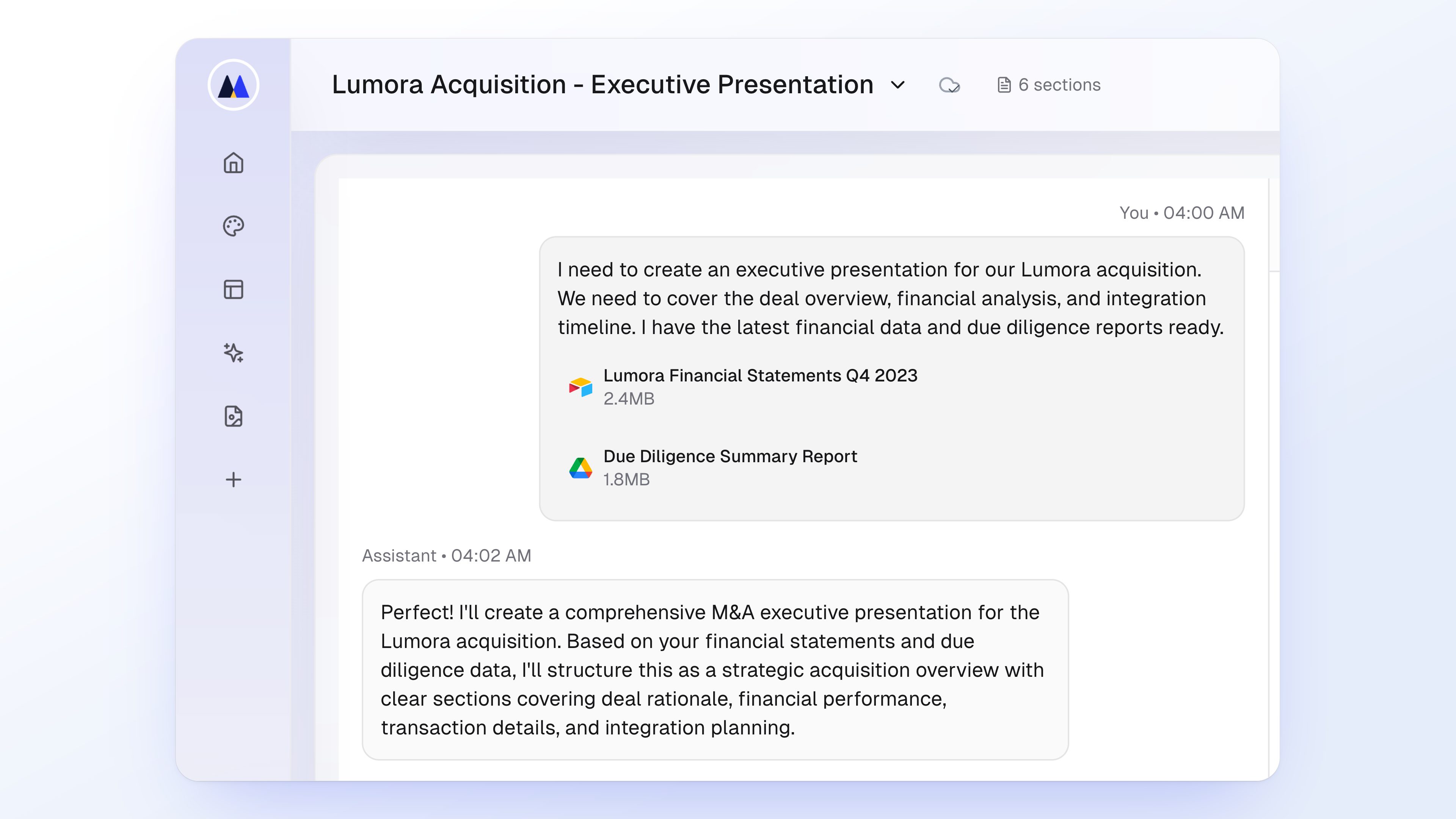
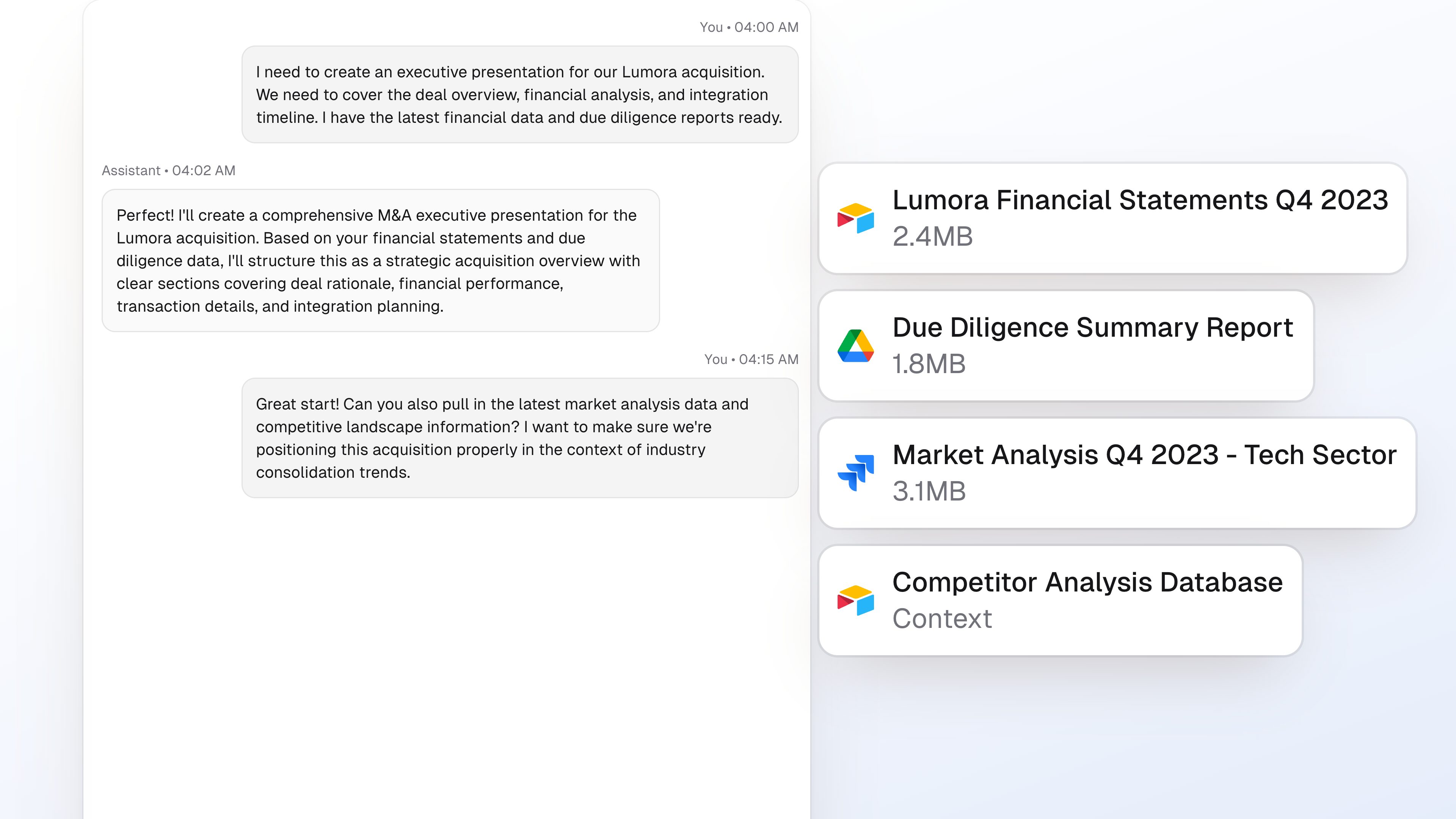
The user and the chat agree the outline, with files and tickets beside it.
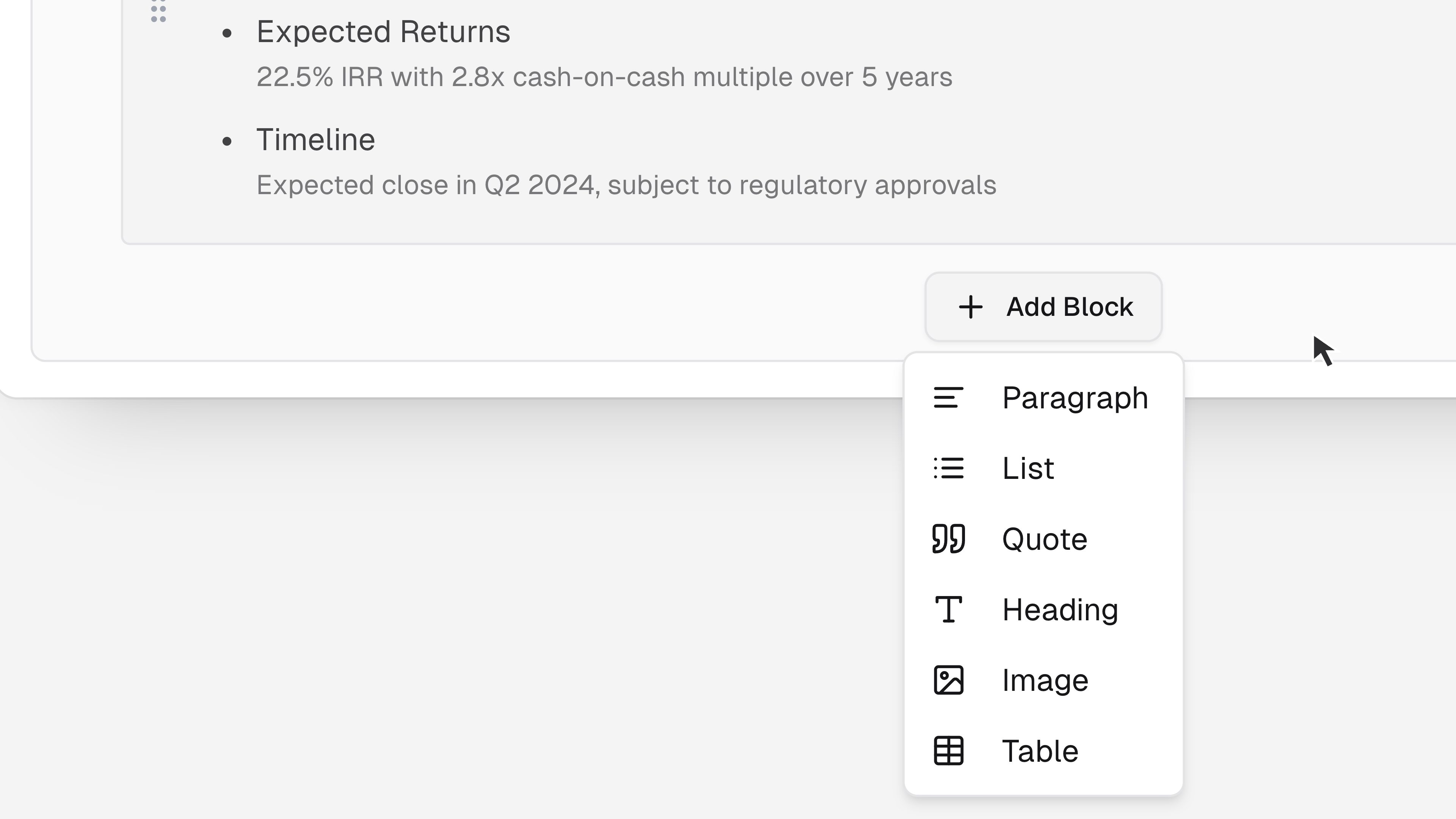
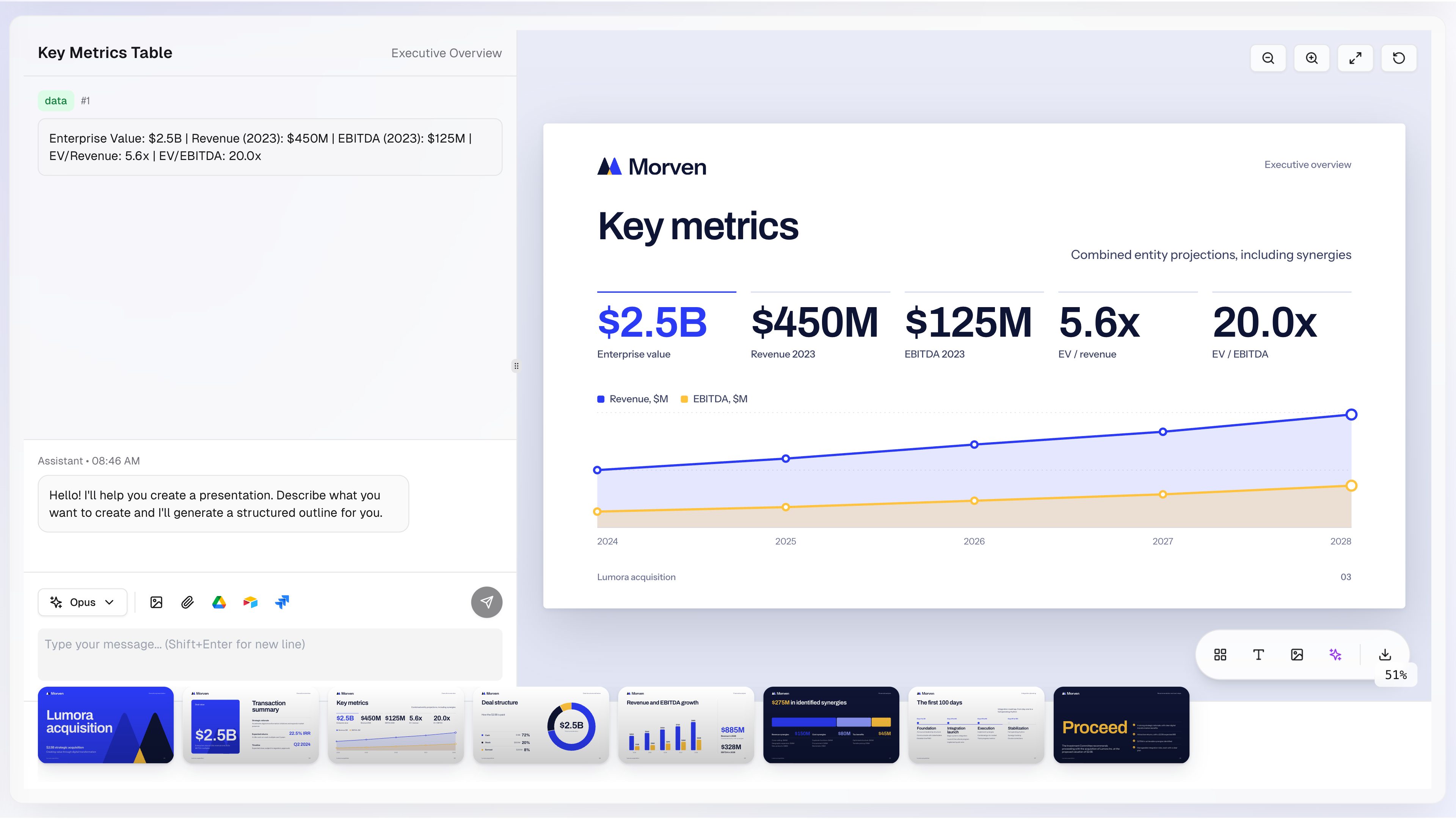
The skeleton editor holds the deck as sections and slides, and each slide as blocks: headings, lists, quotes, tables, images and data. The chat beside it builds and changes the outline from what is attached: files from Google Drive, bases from Airtable, epics and tickets from Jira, all over MCP. Generate waits until the outline is right.
The deck
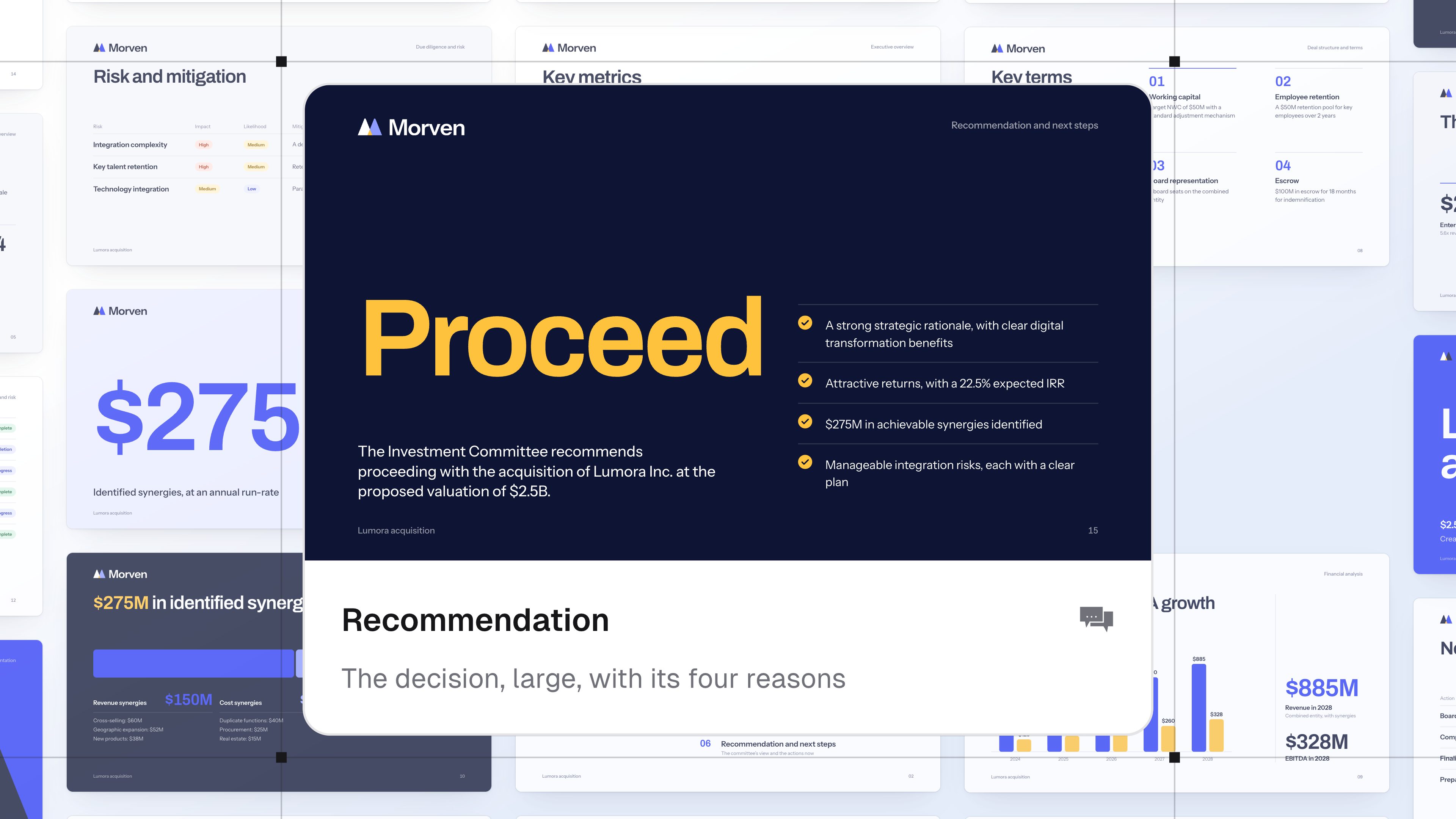
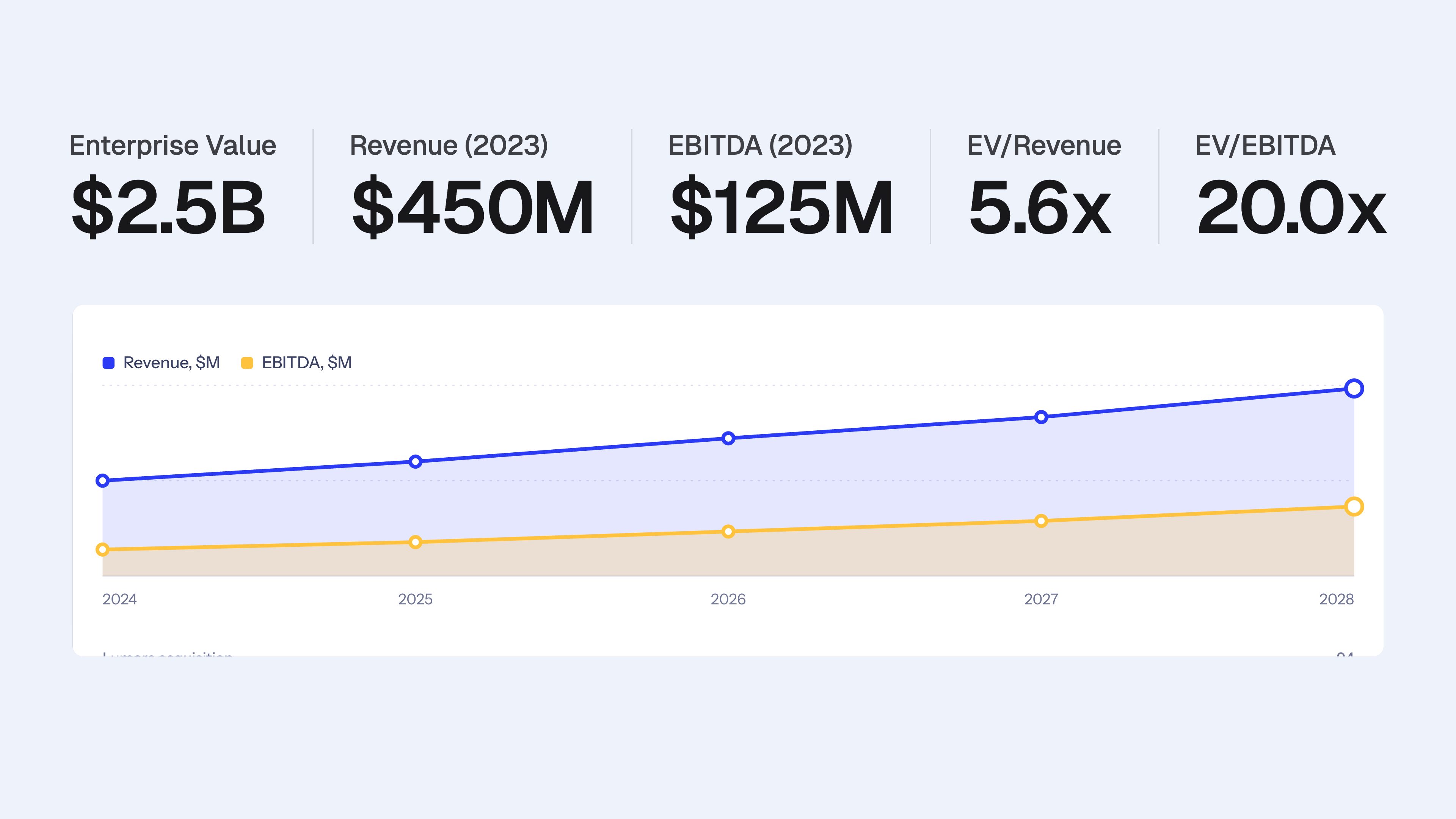
Generate lays every block on a real slide layout, in the company’s brand.
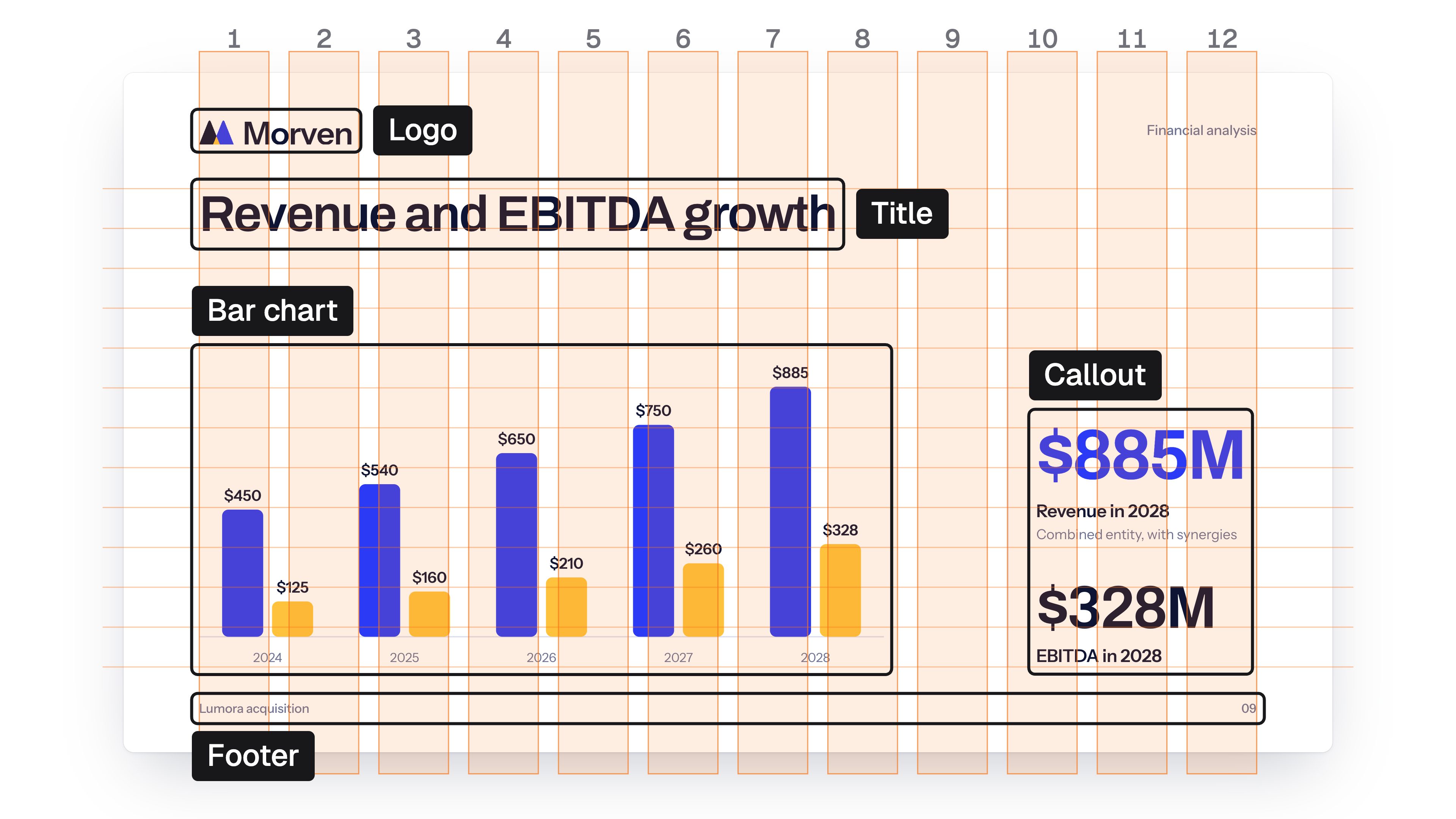
Butter makes every slide a 1920 by 1080 frame on a twelve-column grid, built from typed components (titles, figures, lists, charts, images) set only by their props, never by hand. The model writes the deck to a typed schema, so each block lands on a layout from the library in the brand’s colours and type, and another theme re-skins the whole deck at once.
The launch
Narrative launched on 6 June 2025 with a film, a landing and a waitlist.
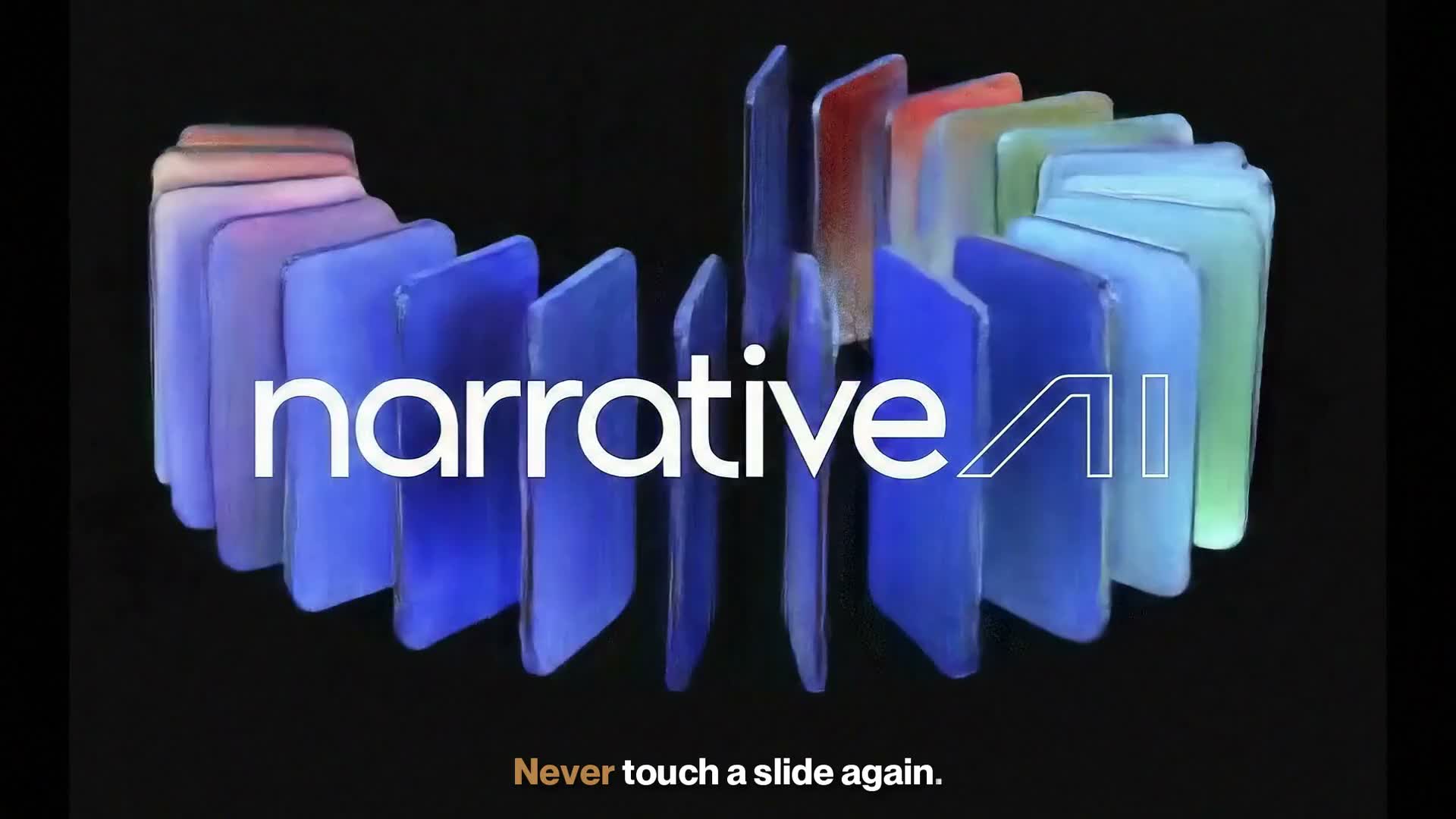
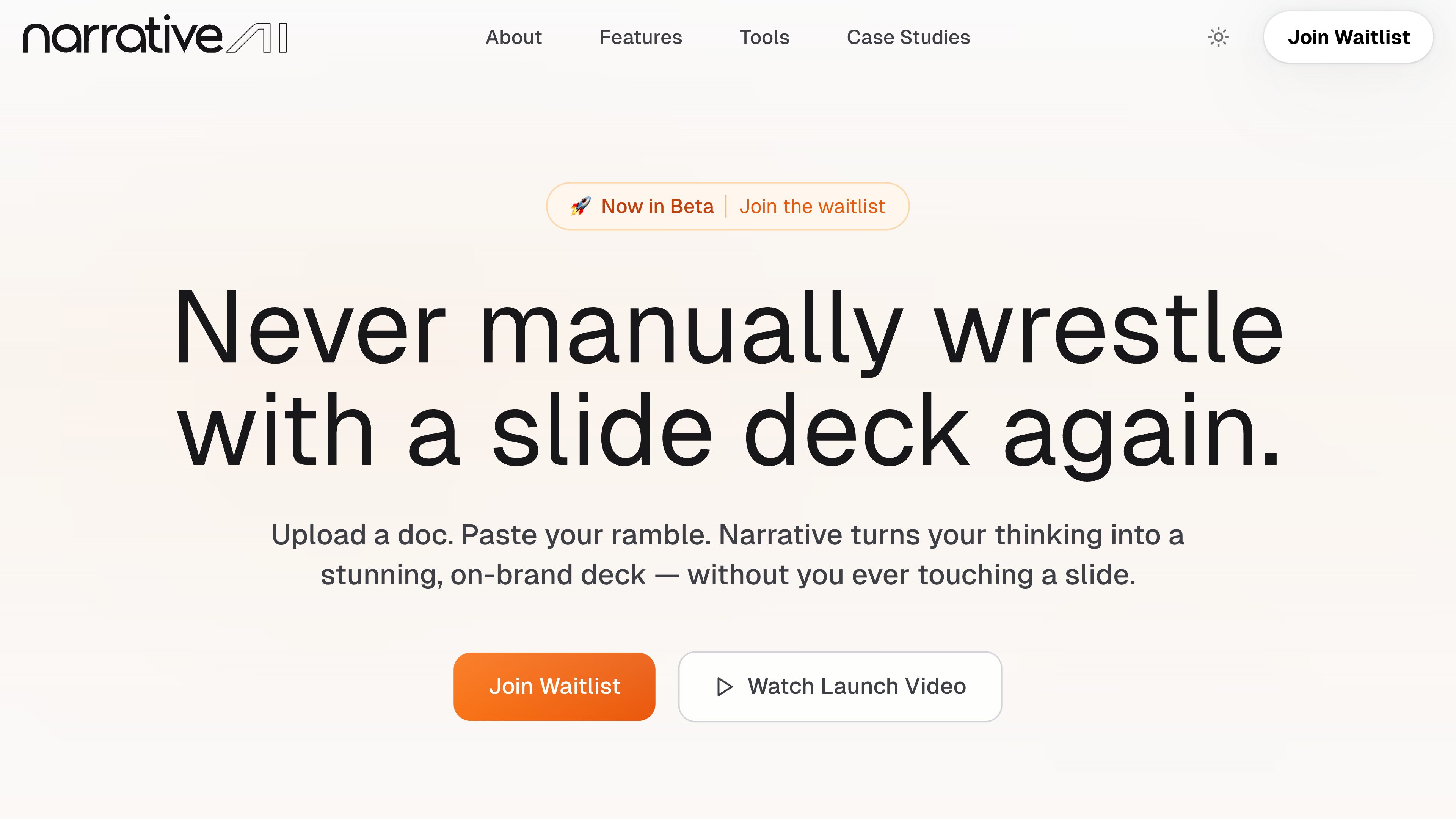
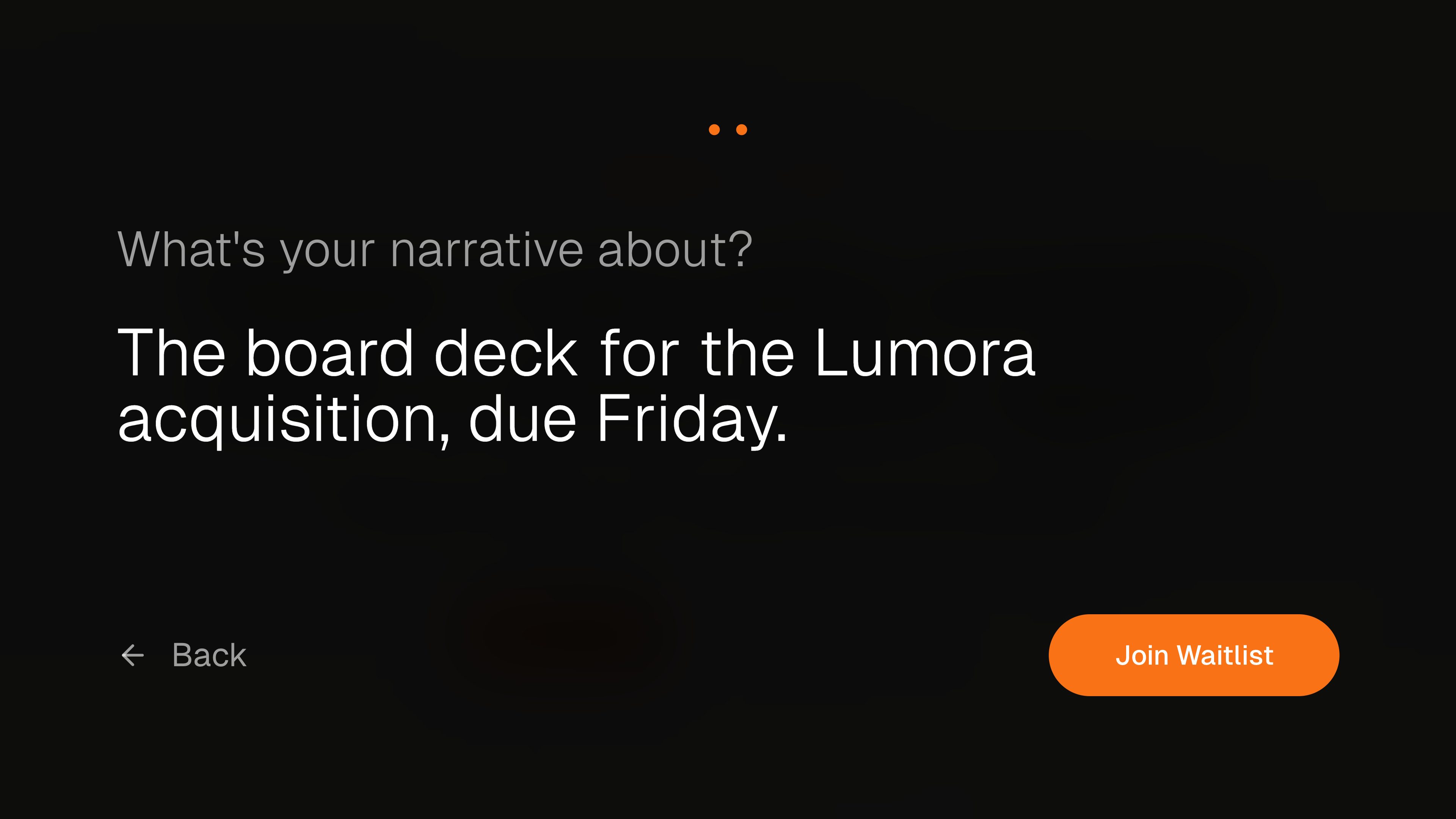
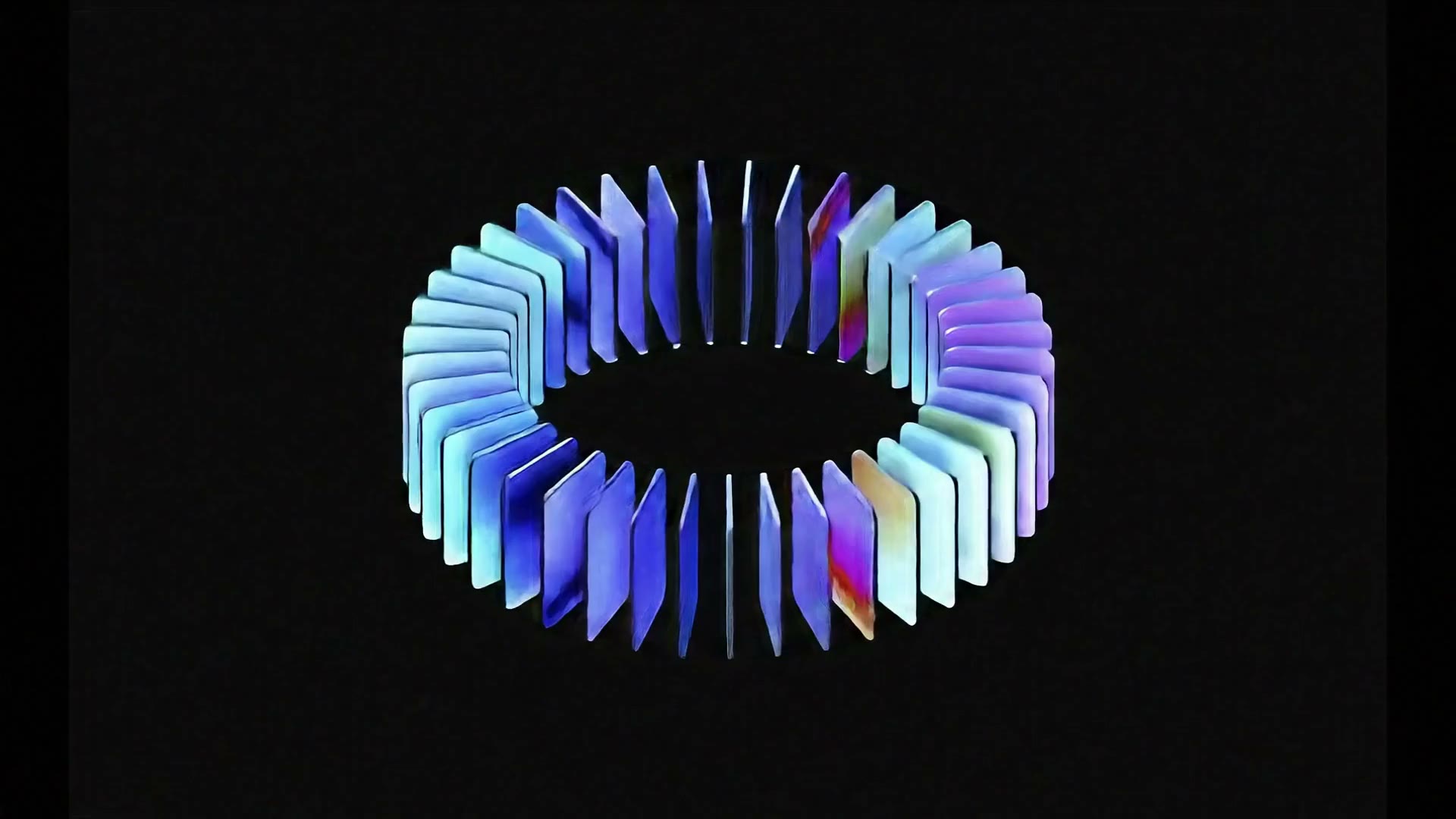
The 80 second film was made the night before with video models and a generated voice: the ring of glass slides, a late night with PowerPoint, a brand read from a website, a Jira epic in the chat, the outline and the deck, then the wordmark. The landing played it one press from its headline, Never manually wrestle with a slide deck again, and its waitlist asked what your narrative is about.
The result
Narrative’s MVP took eight weeks, and its slide system now draws Turbo’s own slides.
Narrative went live on 6 June 2025. In August we paused it for a problem with clearer value, and its slide system kept going: in November 2025 Butter and the brand profile moved into Ether, Turbo’s own platform, where Evergrow draws our slides and carousels with it.
The result, in short
From brief to MVP
8 weeks
The brand read, the outline and its chat, and the slide system, designed and built in spring 2025
Live
6 June 2025
With a film, a landing and a waitlist
Its slide system now
In Ether
Since November 2025, Butter and the brand profile draw Evergrow’s slides and carousels