Forward-deployed engineeringfor software teams and service firms.
We accelerate extraordinary outcomes by building the systems behind them.
What is forward-deployed engineering?
The new way of building

Models we build on. Teams we build for. Products we've shipped.













World-class builders who learn your customer's world, ship what they need into your product or service, and turn each deployment into a compounding system.
Forward-deployed capacity without the months-long search or the cost of a full-time hire.
0+
0+
production features shipped
For enterprise teams, in the past two years.
Engineering, design and product in one team, from the first idea to your customer's feedback.
Built for the outcome
Every system ships against a result you can measure, and keeps running after launch.

“What I see is badass progress, and someone I love working with.”

Brian Abernethy, founder
Two ways to ship the same feature.
A traditional engineer waits at every handoff. A forward-deployed engineer works with your operator and your customer directly, so the answer comes back while the work is still fresh.
- Waits on product for a spec
- Builds to the spec
- Waits on review and sign-off
- Ships
- Waits on product to hear back from the customer
- Works with the operator and the customerWith the operator and the customerTurn 1
- Proposes the design
- Builds it
- Ships
- Handles the feedback
- Back with the customerTurn 2
- Refines the design
- Builds the change
- Ships again
- Handles the feedback
- Back with the operatorTurn 3
- Extends the design
- Builds the next part
- Ships again
- Handles the feedback
Ships once, then waits to hear how it landed.
Ships, hears the customer and ships again, in the same stretch.
Your repo, your review, your IP · Every deployment comes back as reusable product · Documented so your team owns it

Zac Brooks
Founder, Turbo Labs
Our view
“The people who succeed in tech will look completely different. They find the problem and take it front to back.”
We can move this fast because we built the systems we're offering to build for you.
Services
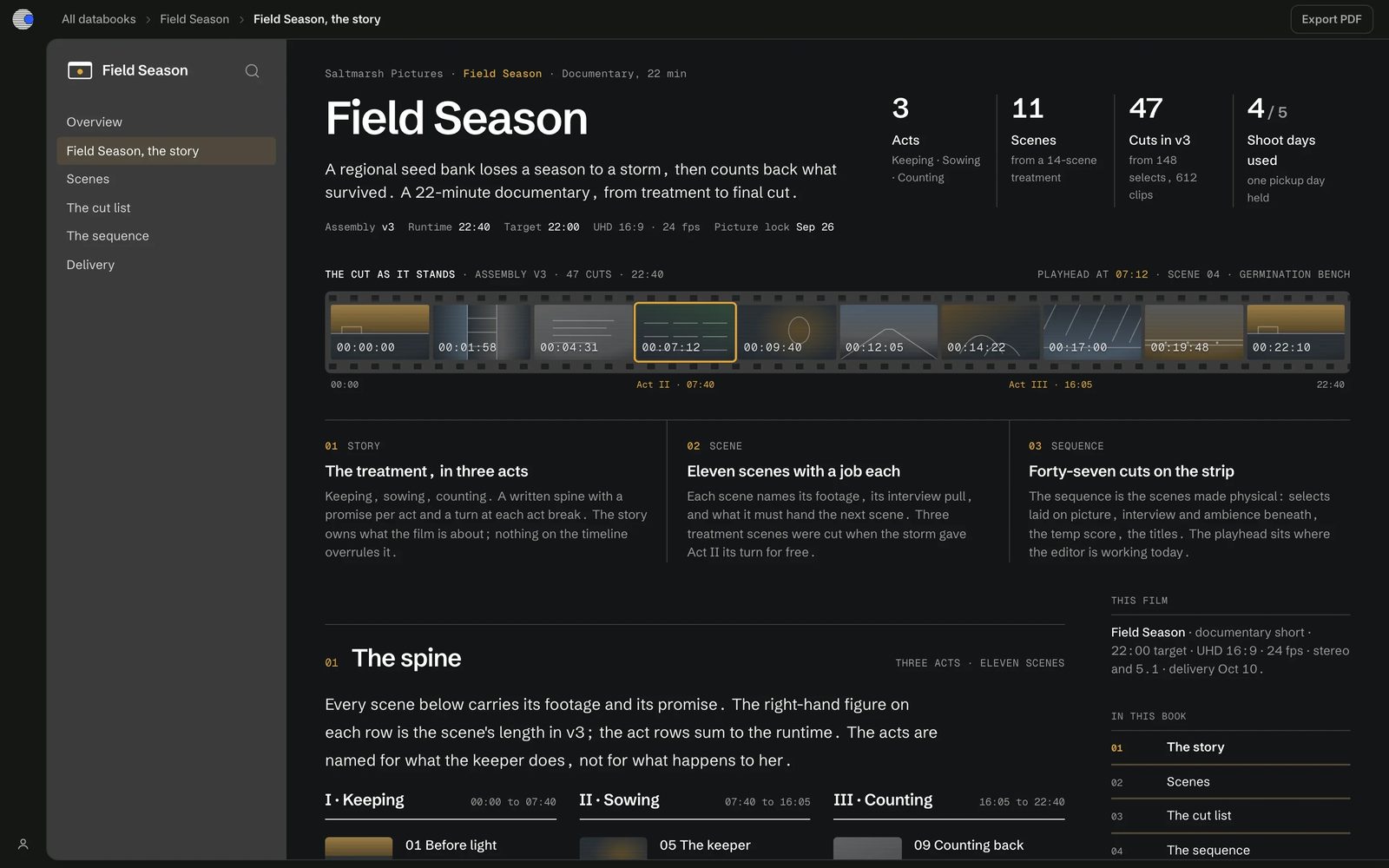
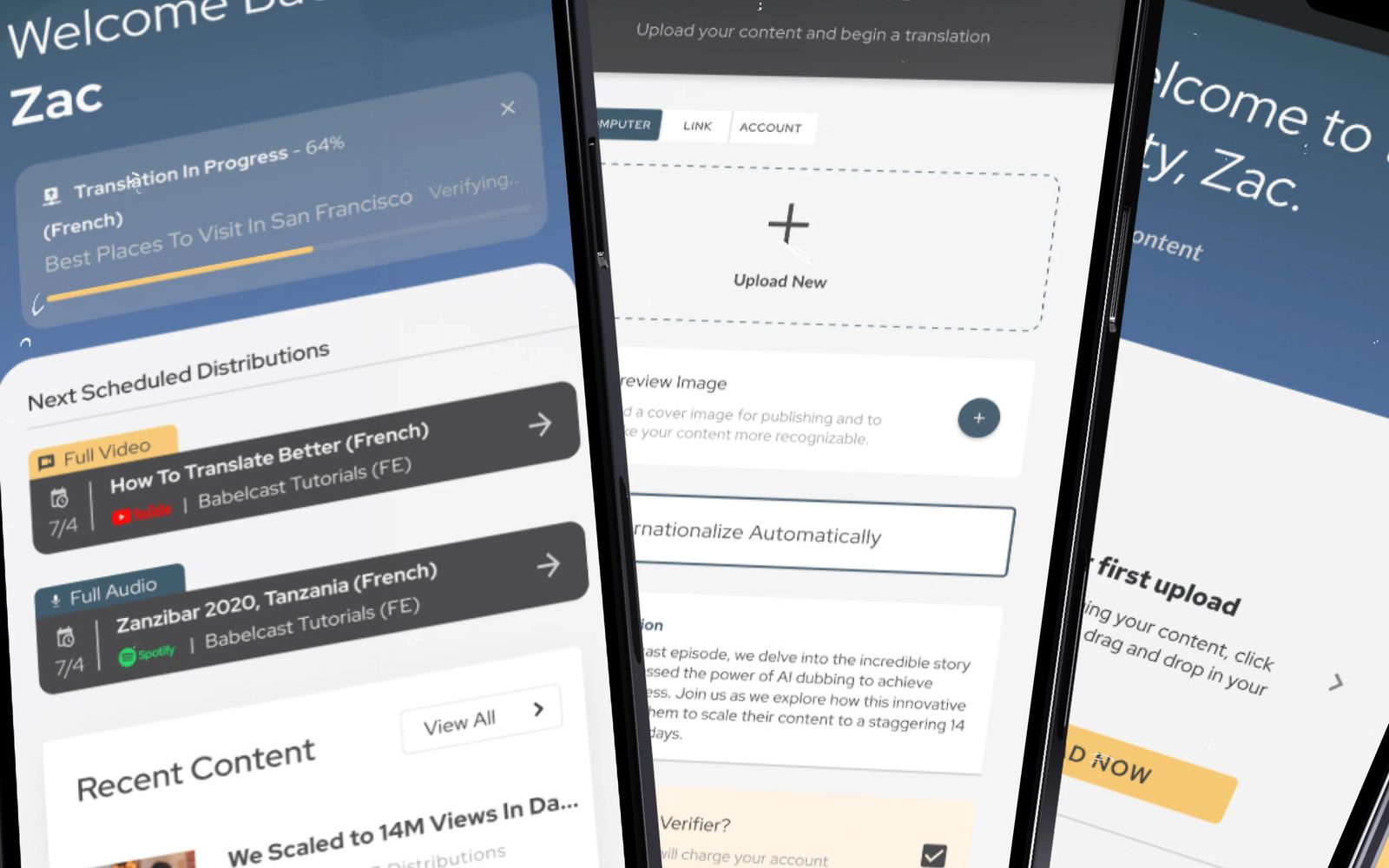

The loop
Business is a loop. We make every turn faster.

01
Believe in something
Mission
A problem worth solving: product and market research, a capability assessment, a cost and value thesis.
Mission, graded on 6 areas
- Purpose
- Research
- Problems
- Positioning
- Moat
- Brand
02
Take it to market
03
Deliver it
04
Shape it
Friction is whatever slows the turn: a slow handoff, a guess where a number should be, a step only one person can do.
Three to six month projectsnow run overnight.
We transformed Straata, a boutique payments firm, so its expertise multiplies. It now finds where processors underpay software platforms, typically $500K to $2M each.
An agent workbench runs the method on each client's own data, and a client platform publishes every result with its sources.
We also design and build beautiful software.
Design is the most AI-native part of Turbo, and where our output gains run highest. Products, platforms and tools, designed and built from first idea to production.

AI-native
We've spent two years proving this inside real businesses, ours first and then our clients'. That work puts us at the frontier of what it means to be AI-native, and our customers are seeing the results.
Defining AI-native, in real businesses.
Revenue ceiling expands
Take on more work, and better work, than the firm's hours used to allow.

001

002
003
What we solve
Software companies
Customers wait on custom work
An FDE role open for months · Deals stall on integrations · The roadmap slips for one account · One-off code nobody owns
Forward-deployed engineers ship it into your product.
See the fixDesign is the bottleneck
Design debt piling up · Engineers waiting on screens · Demos you apologise for · No design system
Design, full-stack development and rapid prototyping.
See the fixNo repeatable way to attack the market
Launches that fizzle · No list of who to call · Campaigns rebuilt each time · Content rarely ships
Go-to-market systems: market maps, outbound and content.
See the fixTechnical debt and migrations
A migration nobody wants to own · Legacy code slowing every release · Data stuck in the old system · Fear of breaking production
Forward-deployed engineers clear it, release by release.
See the fixService firms
No clear path to scale
Every engagement is complex · The hard work needs your best people · Growth means hiring more seniors · The founder is the ceiling
AI transformation: a roadmap to scale the complex work.
See the fixLeverage isn't growing
You've done this shape many times · Each project still starts from scratch · Templates nobody uses · Experience isn't compounding
Core Service Automation turns the repeatable layer into a system.
See the fixMargin only grows with price
Costs rise with every client · Senior hours on junior work · Price rises are the only lever · Revenue grows, margin stays flat
Back-Office Agents and Firm Memory take the cost out.
See the fixDelivery takes too long
Projects run for months · Clients wait on deliverables · Reports built by hand · Speed depends on who's free
Client Deliverables compress the timeline.
See the fixYour repo, your review, your IP · Every deployment comes back as reusable product · Documented so your team owns it
Common questions
How engagements start, who owns what, and how we work alongside your team.
Everything you'd ask before working with us.
What is forward-deployed engineering?
Our engineers work inside your team, in your tools and your codebase, on the problem in front of your customers. They ship to production, and what they build stays with you.
How does an engagement start?
With a wedge: one concrete problem worth solving now. Alongside it we grade your business across six dimensions and form a roadmap. You buy a month from there, and most clients move to a retainer.
How fast can you start?
Usually within a week of the first conversation.
Who owns the code and the IP?
You do. We work in your repo, under your review, and document what we build so your team can run it.
Will you work with our existing stack and team?
Yes. We build on what you have where that's the faster path, and replace it only where the system is the problem.
Which AI models do you use?
Whichever fits the job. We build on Claude, OpenAI, Gemini and open-weight models, including private deployments when your data has to stay inside.
How do you price?
By the month, scoped to the wedge and the roadmap. We give you a number after the first conversation.

Quick links
